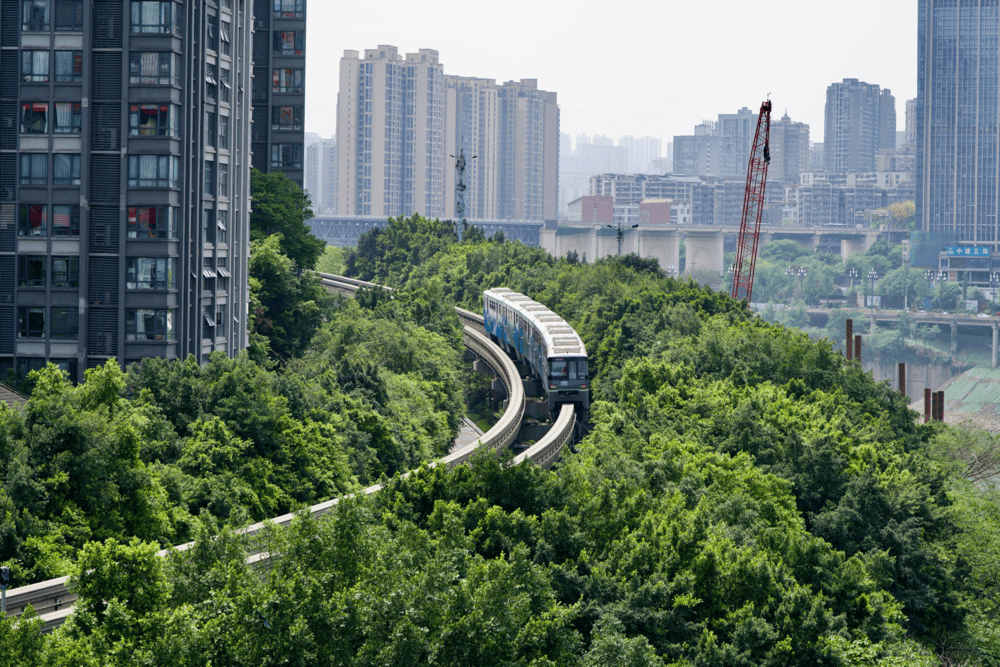
Rapid urban expansion is reshaping cities around the world, bringing both opportunities and significant governance challenges. As populations continue to migrate toward urban centers in search of employment, education, and better living standards, city administrations are under increasing pressure to manage infrastructure, housing, public services, and environmental sustainability. In 2026, urban governance has become one of the most critical policy areas for governments seeking to balance economic growth with social stability and sustainable development.
Urban population growth has accelerated in many parts of the world over the past two decades. According to global development estimates, more than half of the world’s population now lives in cities, and that share is expected to continue rising in the coming years. Expanding urban populations are transforming city landscapes as new residential areas, business districts, and transportation networks are developed to meet growing demand. While these developments support economic activity, they also create complex challenges for municipal authorities responsible for planning and managing urban environments.
One of the most pressing issues linked to rapid urban growth is the strain placed on infrastructure systems. Transportation networks, water supply systems, energy grids, and public utilities often struggle to keep pace with population increases. Congested roads, overcrowded public transit systems, and aging infrastructure can affect productivity and quality of life in major cities. Urban planners and policymakers are increasingly focused on developing integrated infrastructure strategies that combine transport, housing, and environmental planning to support sustainable urban expansion.
Housing affordability has also emerged as a major challenge in many rapidly growing cities. As demand for residential property rises, housing prices often increase faster than average household incomes. This trend can lead to housing shortages, informal settlements, and growing socioeconomic disparities within urban populations. Governments and municipal authorities are exploring policy measures such as affordable housing programs, zoning reforms, and public-private partnerships aimed at expanding housing availability while maintaining urban development standards.
Environmental sustainability is another critical dimension of modern urban governance. Cities are responsible for a large share of global energy consumption and greenhouse gas emissions. Rapid urbanization can intensify environmental pressures through increased transportation demand, higher energy usage, and greater waste generation. In response, many cities are adopting sustainability initiatives focused on improving public transport systems, promoting energy-efficient buildings, and expanding green spaces within urban areas. These policies aim to reduce environmental impact while supporting healthier and more livable cities.
Effective governance structures are essential to managing the complexities of urban growth. Municipal administrations must coordinate with regional and national governments, private developers, and community stakeholders to ensure balanced urban development. Data-driven decision-making and digital governance tools are increasingly being used to improve city planning and service delivery. Smart city technologies, including data analytics platforms and real-time monitoring systems, help policymakers identify urban challenges and respond more effectively to changing conditions.
Public participation is also becoming an important element of urban governance. Many city governments are encouraging greater community engagement in planning processes through public consultations, digital feedback platforms, and participatory budgeting initiatives. These efforts allow residents to contribute to decisions that affect their neighborhoods and improve transparency in municipal governance.
Looking ahead, the challenges associated with rapid urban expansion are expected to remain a defining issue for policymakers around the world. Managing population growth, maintaining infrastructure quality, ensuring housing affordability, and protecting the urban environment will require coordinated policy approaches and long-term planning. Cities that successfully address these governance challenges will be better positioned to support economic growth, social stability, and sustainable development in the decades ahead.







 Artificial Intelligence4 months ago
 Football3 months ago
 Latest News7 months ago
 Latest News7 months ago
 Football3 months ago
 Latest News7 months ago
 Latest News7 months ago
 Latest News7 months ago