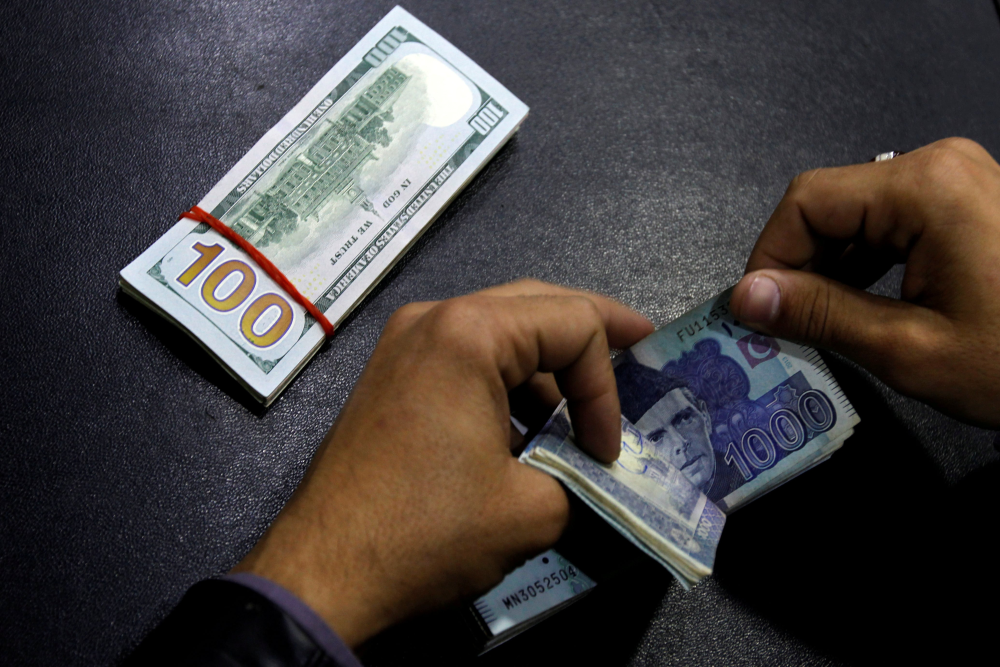
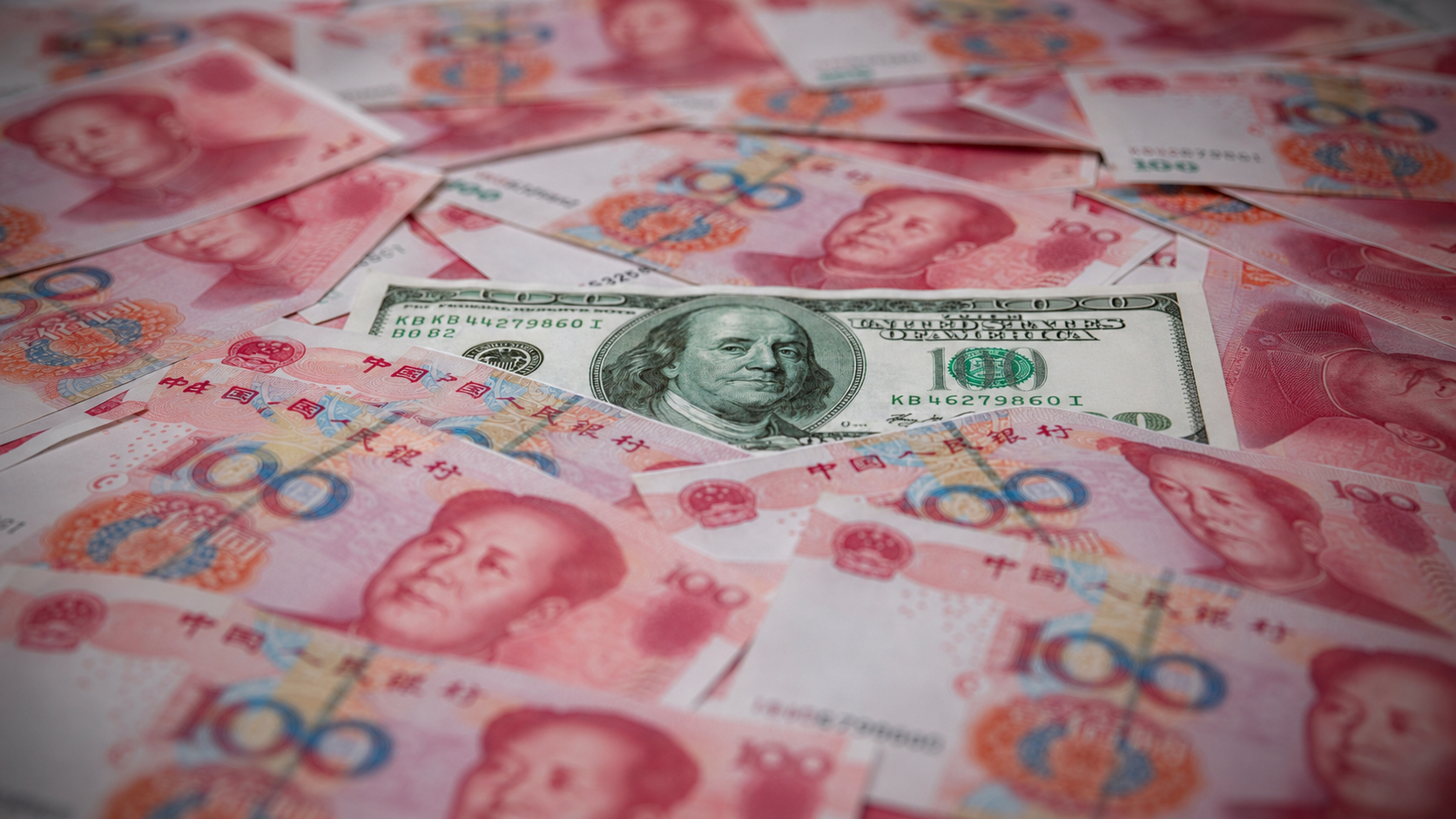
The Pakistani rupee recorded a slight appreciation against the US dollar during Tuesday’s interbank trading session, reflecting relatively stable currency market conditions. The local currency strengthened marginally by 0.92 paisa, closing at PKR 279.36 per US dollar compared with the previous session’s closing rate of PKR 279.37. Currency traders reported that the rupee moved within a narrow trading band throughout the day, indicating limited volatility in the foreign exchange market. During the session, the rupee touched an intraday high of PKR 279.40 on the bid side while the lowest recorded level reached PKR 279.35 on the ask side. Market participants noted that currency demand and supply remained balanced, contributing to the rupee’s modest gain against the dollar during the trading session.
In the open market, exchange companies quoted the US dollar at PKR 280.00 for buying and PKR 280.40 for selling. The difference between interbank and open market exchange rates remained relatively small, reflecting stable currency market conditions. Currency dealers indicated that the foreign exchange market has remained relatively calm in recent sessions as traders monitor external economic factors and domestic financial developments. Demand for the US dollar was described as steady rather than aggressive, allowing the rupee to maintain a relatively stable position in the interbank market. Analysts noted that currency movements during the session reflected normal trading activity rather than any major shift in market sentiment.
While the rupee strengthened slightly against the US dollar, it weakened against several other major international currencies during the same trading session. Against the euro, the local currency declined by 2.71 rupees, or approximately 0.84 percent, closing at PKR 325.55 compared with the previous rate of PKR 322.84. The rupee also depreciated against the British pound, losing 3.69 rupees or 0.99 percent to settle at PKR 376.37, compared with the previous session’s rate of PKR 372.68. Currency traders noted that fluctuations against these currencies were influenced by broader movements in global currency markets.
The rupee also weakened against several other global currencies during the trading session. It depreciated by 1.01 rupees against the Swiss franc, closing at PKR 360.03. Similarly, the local currency declined against the Japanese yen, falling by 1.16 paisa to settle at PKR 1.7751 compared with PKR 1.7635 in the previous session. The rupee also lost ground against the Chinese yuan, declining by 24.90 paisa to close at PKR 40.65. Market observers indicated that these movements were largely influenced by shifts in global currency exchange rates rather than domestic economic factors.
Against regional currencies linked to the Gulf economies, the rupee also recorded minor declines during the trading session. The local currency edged down by 1.15 paisa against the Saudi riyal to close at PKR 74.44. It also slipped slightly against the UAE dirham, falling by 0.48 paisa to settle at PKR 76.07. Despite the mixed daily performance against multiple currencies, the rupee has shown overall appreciation against the US dollar during the current fiscal year. According to market data, the rupee has strengthened by approximately PKR 4.40, representing a gain of around 1.58 percent during the fiscal year. On a calendar-year basis, the currency has gained 76.13 paisa, reflecting a modest improvement of about 0.27 percent against the dollar.
In the domestic money market, benchmark interest rates remained stable during the session. The six-month Karachi Interbank Bid and Offer rates held steady at 10.64 percent and 10.89 percent respectively. Market analysts noted that stability in money market rates often contributes to calm conditions in currency markets, as predictable short-term borrowing costs support financial market stability. Traders will continue monitoring economic indicators, foreign exchange flows, and global financial developments that could influence the direction of the Pakistani rupee in upcoming trading sessions.










 Artificial Intelligence4 months ago
 Football3 months ago
 Latest News7 months ago
 Latest News7 months ago
 Football3 months ago
 Latest News7 months ago
 Latest News7 months ago
 Latest News7 months ago