
Startups
Pakistani Agency Launches AI Marketing Platform
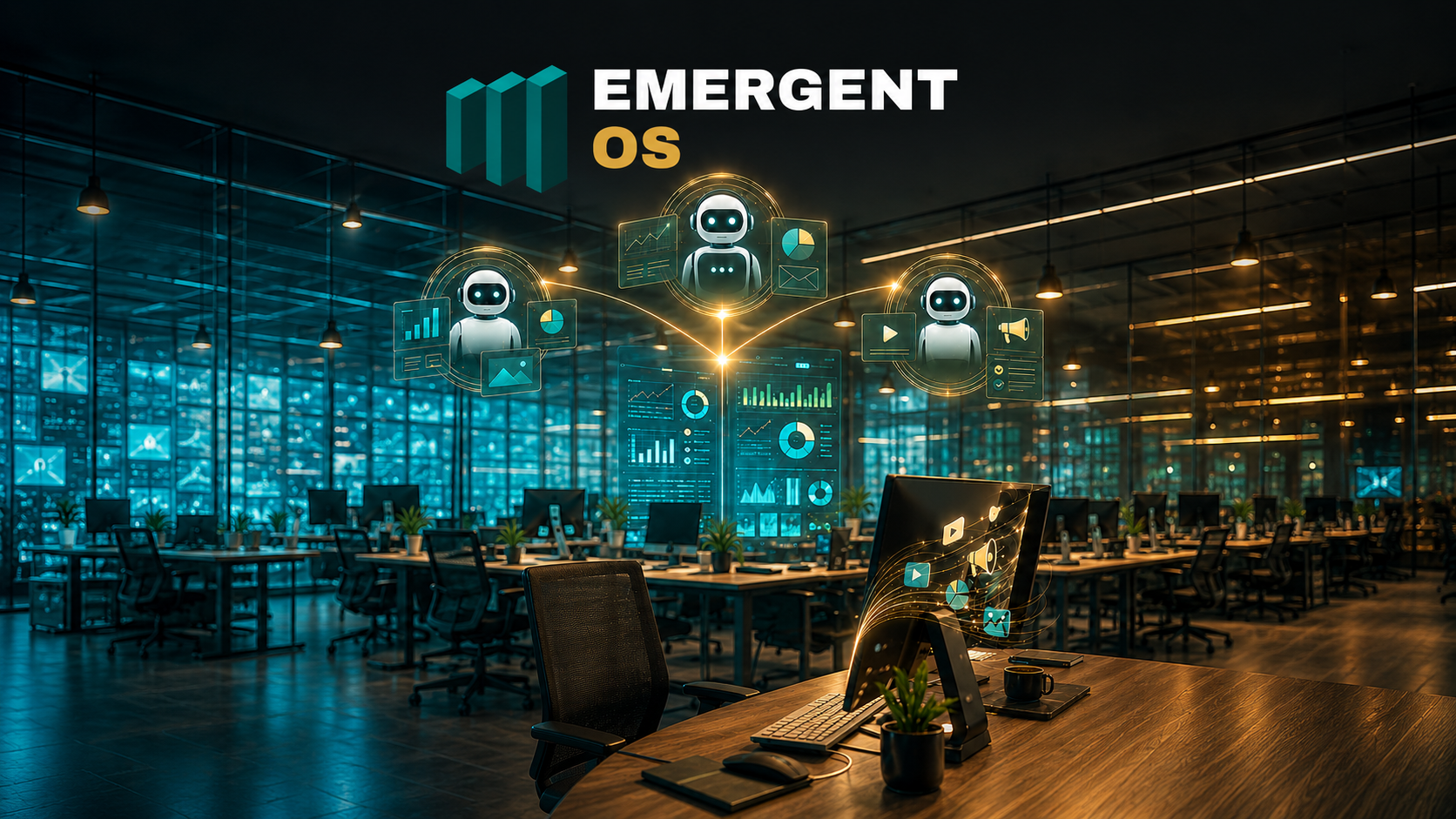
Lahore-based Emergent Media has launched EmergentOS, an agentic AI platform designed to execute digital marketing tasks with human approval at every consequential step. Commercially launched in August 2026, the platform uses three specialist AI agents to manage distinct marketing functions. Founder and CEO Roshan Ejaz leads the company alongside co-founders Ahsan Khan, Faisal Ayub and Khurram Saleem. The company claims EmergentOS is the first platform of its kind built and owned by an independent agency in the Pakistan-UAE region. It aims to address local marketing needs and reduce reliance on overseas platforms.











Startups
Women-Led Startups Win Rs10.5m in Tech Grants

Three women-led Pakistani startups have received Rs10.5 million in equity-free grants through the eighth Standard Chartered Foundation Women in Tech Accelerator. At a graduation ceremony in Karachi, EV Square, founded by Aimen Shafique, won Rs5 million; Blusha App, founded by Minahil Zafar, received Rs3 million; and Zvolta, founded by Anusha Shahid, received Rs2.5 million. The winners will also receive six months of additional support and lifelong membership in the Women in Tech Alumni Network. The programme is delivered with INNOVentures Global and Village Capital.
Latest News
AI Startup Epiminds Wins TOP46 Pitch Competition at Techarena 2026

Artificial intelligence startup Epiminds has emerged as the winner of the prestigious TOP46 pitch competition at Techarena 2026, one of Europe’s prominent startup events. The Stockholm based company secured the top position after presenting its AI powered marketing platform to a panel of judges and thousands of investors, technology leaders, and entrepreneurs attending the event.
The annual TOP46 competition is a central part of the Techarena startup program, where selected companies showcase their innovations through live pitches. In the 2026 edition, 46 startups were invited to present their ideas after being selected from a large pool of applicants. The finalists represented a wide range of technology sectors including artificial intelligence, climate technology, health technology, robotics, and financial technology.
Epiminds stood out among competitors with its AI native marketing platform designed to automate complex performance marketing tasks through a system of specialized artificial intelligence agents.
AI Platform Designed to Automate Performance Marketing
Epiminds was founded in 2025 by entrepreneurs Elias Malm and Mo Elkhidir. The startup focuses on transforming digital marketing operations through automation powered by artificial intelligence. The company’s platform functions as a marketing operating system that coordinates multiple AI agents working together to handle various campaign related activities.
According to the company, the system deploys more than twenty autonomous AI agents that collaborate to manage tasks such as campaign planning, data analysis, creative development, and advertising execution. These agents can operate across major digital advertising platforms including Google and Meta, enabling marketing teams to run complex campaigns with minimal manual intervention.
The concept of using AI agents to automate marketing processes is gaining momentum within the digital advertising industry. Companies are increasingly looking for ways to improve efficiency and reduce the time required to manage large scale advertising campaigns across multiple platforms.
By using AI driven automation, Epiminds aims to help marketing teams focus on strategic decision making while automated systems handle operational tasks such as analytics monitoring, campaign optimization, and content deployment.
Early Market Traction and Customer Growth
Despite being a relatively new company, Epiminds has already demonstrated promising early traction. The startup reported that it is currently working with marketing agencies that collectively represent more than 200 brands. This early adoption suggests that the platform is addressing a real need within the digital marketing industry.
The company also reached its first paying customers shortly after launching its platform, a milestone that many early stage startups take years to achieve. Early customer validation is often considered an important indicator of product market fit, especially for technology companies developing new software platforms.
Startup investors and industry analysts often look closely at early adoption metrics when evaluating emerging companies. A strong customer pipeline can significantly improve a startup’s prospects for scaling its business model and attracting future investment.
Recognition at One of Europe’s Major Startup Events
Techarena has become one of Europe’s most influential technology conferences, bringing together startups, investors, and corporate leaders to explore emerging innovation trends. The TOP46 pitch competition is widely viewed as one of the event’s highlights, providing selected startups with an opportunity to gain exposure in front of the global technology community.
During the competition, startups present their business models and technology solutions to a panel of judges who evaluate each company based on factors such as innovation potential, scalability, and market opportunity. After several rounds of pitches, a final group of startups is selected to present on the main stage before a winner is chosen.
The 2026 competition featured startups across multiple sectors including artificial intelligence, sustainability technologies, health technology, robotics, and financial services. This diversity reflects the growing breadth of innovation emerging from Europe’s technology ecosystem.
Winning the competition provides startups with increased visibility among venture capital firms, potential business partners, and media organizations. For early stage companies, this type of recognition can help accelerate growth by opening doors to new opportunities and partnerships.
Award Presented by Zlatan Ibrahimović
Epiminds received its award on stage from international football icon Zlatan Ibrahimović, who participated in the event as a guest presenter. The appearance of the globally recognized athlete added a moment of excitement to the competition finale.
During the award presentation, Epiminds co founder Elias Malm addressed the audience and highlighted the company’s current growth trajectory. Interestingly, he noted that the startup is not actively seeking investment funding at this stage.
According to Malm, the company’s current priority is expanding its platform and building partnerships with marketing agencies rather than raising additional capital. This approach suggests that the startup may already have sufficient resources to continue product development and customer acquisition in the near term.
European Startup Ecosystem Continues to Expand
The success of companies like Epiminds reflects the broader growth of Europe’s startup ecosystem. Over the past decade, European technology hubs such as Stockholm, Berlin, Paris, and London have produced a growing number of innovative startups across various industries.
Artificial intelligence has become one of the most active areas of startup development, with entrepreneurs exploring applications in marketing, healthcare, finance, cybersecurity, and automation. Investors across Europe are increasingly directing funding toward AI driven companies as demand for intelligent software solutions continues to expand.
Events like Techarena play an important role in supporting this ecosystem by providing a platform for emerging companies to showcase their innovations and connect with global investors.
Outlook
Epiminds’ victory at the TOP46 competition highlights the increasing role of artificial intelligence in transforming industries such as digital marketing. As AI driven automation tools continue to evolve, startups developing intelligent software platforms are expected to play a key role in shaping the future of marketing technology and business operations.
Latest News
Pentagon AI Dispute Raises Concerns Among Startups Over Government Technology Contracts

A growing dispute between artificial intelligence company Anthropic and the United States Department of Defense has sparked debate across the American startup ecosystem. Founders and investors are increasingly questioning whether working with government agencies, particularly the Pentagon, could create unexpected risks for emerging technology companies.
The controversy began after negotiations between Anthropic and the Pentagon collapsed over the use of the company’s Claude artificial intelligence system. Following the breakdown in talks, the U.S. administration classified Anthropic as a potential supply chain risk, a move that could restrict the company’s access to certain government contracts. The decision has triggered wider discussions among startups about the implications of collaborating with defense authorities.
AI Startups Face Increasing Government Scrutiny
Artificial intelligence companies have rapidly become central players in global technology development, attracting significant attention from governments seeking to incorporate AI into national security and defense operations. However, the dispute involving Anthropic highlights the growing scrutiny technology startups may face when entering defense partnerships.
The situation intensified when OpenAI secured its own agreement with the Pentagon shortly after Anthropic’s negotiations collapsed. The deal illustrated how government agencies are actively competing to secure access to advanced artificial intelligence tools developed by private companies.
High profile AI companies are particularly vulnerable to public scrutiny because their technologies are widely used by consumers and businesses. When such companies form partnerships with military organizations, the agreements often generate strong reactions from both supporters and critics.
In the case of OpenAI’s defense partnership, online discussions quickly spread across social media platforms. Some users expressed concerns about the potential military applications of artificial intelligence, while others questioned whether AI companies should collaborate with defense agencies at all.
Defense Contracts Offer Opportunities but Carry Risks
Government contracts have traditionally been a major source of revenue for technology companies. Defense agencies often invest billions of dollars in advanced computing, cybersecurity, data analysis, and artificial intelligence technologies. For startups, securing such contracts can provide financial stability and long term growth opportunities.
However, the Anthropic dispute has highlighted the risks associated with these partnerships. Changes in government policy or disagreements over technology usage can quickly disrupt agreements between startups and public sector organizations.
Industry analysts note that startups may face additional uncertainty when working with defense institutions because national security priorities can shift rapidly. Government agencies also maintain strict oversight over suppliers involved in sensitive technology systems, which can complicate relationships with private companies.
For early stage startups that rely on predictable revenue streams and investor confidence, sudden changes in government policy could create operational and reputational challenges.
Public Attention Around AI and National Security
Artificial intelligence technologies have become increasingly intertwined with national security debates. Governments around the world are exploring ways to use AI in areas such as intelligence analysis, cybersecurity defense, logistics planning, and autonomous systems.
At the same time, the growing influence of AI companies has raised ethical and regulatory questions. Critics argue that AI technologies should be developed carefully to avoid misuse in surveillance or military applications that could raise human rights concerns.
Because AI tools are widely used across industries, companies developing these technologies often find themselves at the center of public policy discussions. This attention can place additional pressure on startups that may not have the resources to navigate complex regulatory environments.
The Anthropic dispute illustrates how quickly an AI company’s relationship with government agencies can become a high profile issue involving legal, ethical, and political considerations.
Startup Founders Reevaluate Government Partnerships
Following the Pentagon dispute, some startup founders have begun reconsidering whether defense contracts align with their long term business strategies. While government partnerships can offer funding and access to large projects, they can also introduce political and regulatory complexities that smaller companies may find difficult to manage.
Some entrepreneurs argue that collaboration with public institutions remains essential for advancing critical technologies such as cybersecurity and artificial intelligence. Others believe startups should focus on commercial markets where operational conditions may be more predictable.
Technology investors are also closely watching the situation. Venture capital firms often evaluate regulatory risk when deciding whether to fund companies working in sensitive sectors such as defense technology.
The debate reflects a broader shift in the startup ecosystem as emerging technologies become more closely linked with national security priorities.
AI Partnerships and the Future of Defense Technology
The Pentagon has been expanding its collaboration with technology companies in recent years as it seeks to modernize digital infrastructure and integrate artificial intelligence into defense systems. These partnerships are part of a broader effort by governments to remain competitive in rapidly evolving technological fields.
At the same time, private sector companies are increasingly shaping the development of technologies that governments rely on. This dynamic creates a complex relationship where startups must balance innovation, commercial growth, and regulatory responsibilities.
Industry observers believe the outcome of the dispute between Anthropic and the Pentagon could influence how future AI startups approach government contracts. If uncertainty around policy decisions continues, some companies may adopt more cautious strategies when considering defense partnerships.
Outlook
The debate sparked by the Pentagon’s dispute with Anthropic underscores the evolving relationship between startups and government institutions. As artificial intelligence becomes more important to national security strategies, startups developing advanced technologies will continue to face difficult decisions about collaboration, regulation, and public perception in the rapidly changing global tech landscape.


Trending

 Artificial Intelligence4 months ago
South Korea Unveils $880 Billion AI and c Investment Plan

 Football3 months ago
Better Future Pakistan | Match -1 | Norway

 Latest News7 months ago
Crypto Liquidity and Capital Flows: Could Rising USDT Activity Influence Pakistan’s Equity Markets

 Latest News7 months ago
Etihad Town Phase I Introduces Overseas Block with Residential and Commercial Plot Opportunities in Lahore

 Football3 months ago
Better Future Pakistan | LIVE Match | Norway

 Latest News7 months ago
From Catalog Clicks to Conversational AI: How Moeed Sheikh Is Building Revenue Driven Digital Experiences

 Latest News7 months ago
Punjab Introduces Mandatory Underground Infrastructure Rules for New Housing Societies in Lahore

 Latest News7 months ago
PSX Bloodbath as KSE100 Plunges Over 13,000 Points After Trading Resumes