The global luxury watch industry is navigating a new era as digital technology reshapes consumer habits and the broader luxury market. While smartphones and smartwatches have taken over the practical function of timekeeping, traditional luxury watches continue to hold a strong position as symbols of craftsmanship, heritage, and personal style. In 2026, the industry is adapting to a digital-first world by blending centuries-old watchmaking traditions with modern marketing, technology, and consumer engagement strategies. Luxury watch brands are increasingly focusing on storytelling, innovation, and exclusivity to maintain their relevance in a market dominated by digital devices.
One of the key factors sustaining the luxury watch industry is the enduring appeal of mechanical craftsmanship. Unlike digital devices that are frequently replaced due to technological upgrades, mechanical watches are designed to last for generations. These timepieces often contain hundreds of intricate components working together in a complex mechanical system powered by springs and gears. Enthusiasts appreciate the artistry and engineering involved in traditional watchmaking, viewing luxury watches not merely as tools but as collectible works of art. This appreciation for craftsmanship continues to attract collectors and watch enthusiasts who value heritage and precision.
Luxury watch brands are also embracing digital platforms to reach new audiences and strengthen relationships with customers. Social media, online communities, and specialized watch forums have become important channels for showcasing new collections and engaging with collectors around the world. Digital storytelling allows brands to highlight the craftsmanship, heritage, and innovation behind each timepiece. Through high-quality visual content, virtual product launches, and online retail platforms, watchmakers can connect with a global audience while maintaining the exclusivity associated with luxury products.
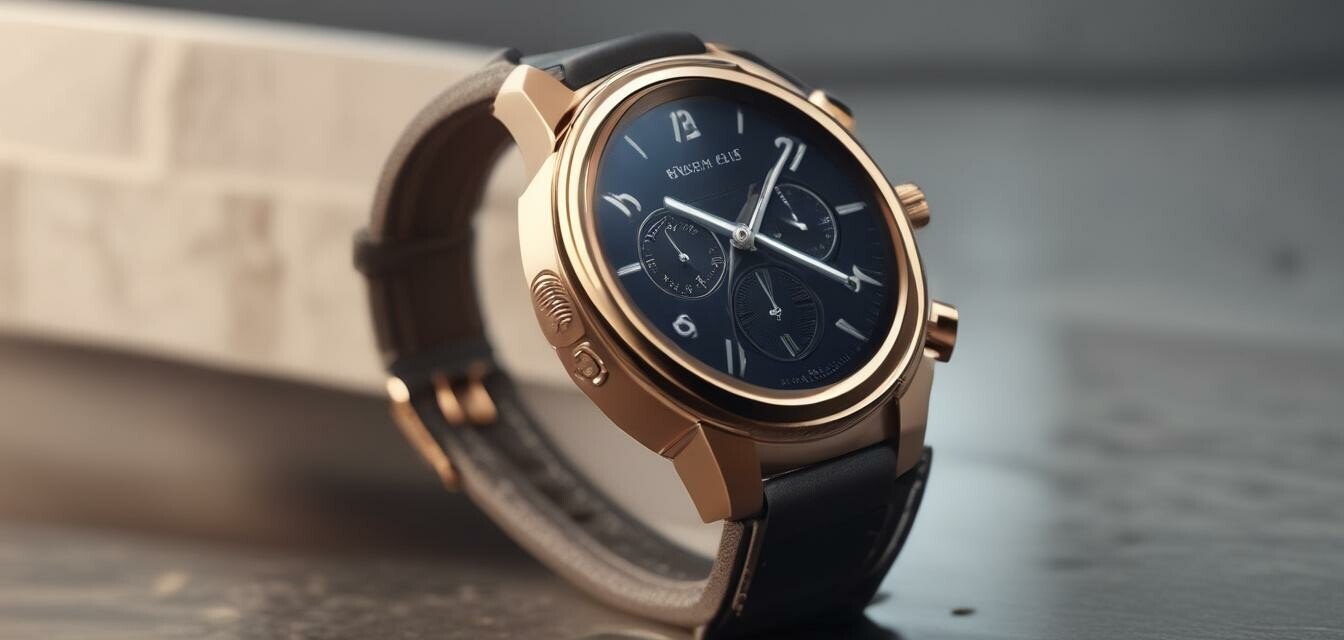
Another important development in the industry is the growing overlap between traditional watchmaking and modern technology. While mechanical watches remain highly valued, some luxury brands are experimenting with hybrid designs that incorporate limited smart features while preserving classic aesthetics. These innovations allow watchmakers to appeal to younger consumers who appreciate both heritage design and modern convenience. Although fully digital smartwatches dominate the wearable technology sector, luxury mechanical watches continue to differentiate themselves by emphasizing craftsmanship and timeless design rather than rapid technological change.
The secondary market for luxury watches has also expanded significantly in the digital age. Online marketplaces and auction platforms now allow collectors to buy and sell rare watches across international markets. This increased transparency has strengthened the perception of luxury watches as investment-grade collectibles. Certain models, particularly limited editions or historically important pieces, have achieved remarkable appreciation in value. The availability of digital authentication services and blockchain-based tracking technologies is also helping improve trust in the resale market by verifying the authenticity and ownership history of high-value timepieces.
Sustainability is becoming another important factor influencing the future of luxury watchmaking. Consumers are increasingly interested in ethically sourced materials and environmentally responsible manufacturing practices. Some watchmakers are responding by adopting sustainable materials, improving supply chain transparency, and reducing environmental impact during production. These efforts reflect the broader shift toward responsible luxury, where craftsmanship and environmental awareness are combined to meet evolving consumer expectations.
Looking ahead, the luxury watch industry is expected to continue balancing tradition and innovation in a rapidly changing technological environment. While digital devices may dominate everyday timekeeping, mechanical watches remain powerful symbols of craftsmanship, heritage, and personal identity. By embracing digital engagement, exploring hybrid innovations, and preserving the artistry of traditional watchmaking, luxury watch brands are positioning themselves to remain relevant in a world increasingly shaped by digital technology.









 Artificial Intelligence4 months ago
 Football3 months ago
 Latest News7 months ago
 Latest News7 months ago
 Football3 months ago
 Latest News7 months ago
 Latest News7 months ago
 Latest News7 months ago