Connect with us

Health

Wearable Health Technology Redefines Personal Fitness Monitoring

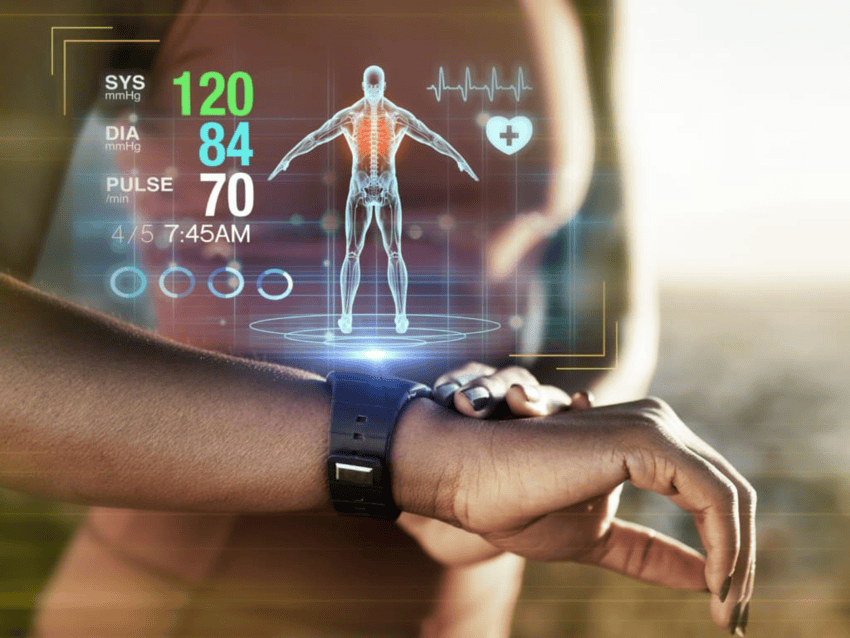
Wearable health technology is rapidly transforming the way individuals track and manage their personal fitness and overall well-being. Devices such as smartwatches, fitness bands, and health-monitoring rings have become increasingly popular as consumers seek convenient tools to monitor their daily physical activity and health indicators. In recent years, these devices have evolved far beyond simple step counters, incorporating advanced sensors capable of tracking heart rate, sleep patterns, blood oxygen levels, and other vital metrics. As awareness of preventive healthcare continues to grow worldwide, wearable health technology is playing an increasingly important role in helping individuals take a more proactive approach to maintaining their fitness and long-term health.

One of the key advantages of wearable fitness devices is their ability to provide real-time health data. These devices continuously monitor physiological signals throughout the day, giving users detailed insights into their activity levels and physical performance. For example, many modern wearables track steps taken, calories burned, and exercise intensity during workouts. Some devices also measure heart rate variability, which can help indicate levels of physical stress and recovery. By analyzing these metrics, users can better understand how their bodies respond to exercise and daily routines, enabling them to adjust their habits for improved fitness outcomes.

Sleep tracking has also become one of the most widely used features of wearable health technology. Quality sleep is now recognized as a critical factor in overall health, influencing physical recovery, cognitive performance, and emotional well-being. Many wearable devices are equipped with sensors that monitor sleep stages, including light sleep, deep sleep, and rapid eye movement sleep. The data collected can help users identify patterns that may affect sleep quality, such as irregular sleep schedules or high stress levels. With access to these insights, individuals can make informed changes to their lifestyle to improve rest and recovery.

In addition to personal fitness monitoring, wearable devices are increasingly being used to support broader health awareness. Some advanced wearables can detect irregular heart rhythms or alert users to potential health concerns based on unusual biometric patterns. This capability has attracted interest from healthcare professionals, as wearable technology may help identify early signs of health issues before they become more serious. While wearable devices are not intended to replace medical diagnosis, they can provide valuable health indicators that encourage users to seek professional advice when needed.

The growing integration of wearable technology with mobile health applications is also enhancing its usefulness. Most fitness devices connect to smartphone apps that analyze collected data and present it in easy-to-understand dashboards. These platforms often provide personalized recommendations for exercise routines, hydration, nutrition, and stress management. Some apps even offer coaching features that guide users through workouts or suggest ways to improve daily activity levels. This combination of data tracking and digital coaching has made wearable health technology an important tool for individuals aiming to maintain consistent fitness habits.

Looking ahead, the wearable health technology market is expected to continue expanding as new innovations emerge. Researchers and technology companies are working to develop sensors capable of monitoring additional health indicators, such as blood glucose levels and hydration status. As these capabilities evolve, wearable devices may become even more integrated with healthcare systems, supporting preventive care and remote patient monitoring. For consumers, the continued development of wearable technology promises a future where personal health insights are more accessible, empowering individuals to take greater control of their fitness and well-being.

Share on:
Continue Reading
Click to comment

Leave a Reply

Your email address will not be published. Required fields are marked *

Health

Government Plans Major DRAP Reforms

Federal Minister Senator Ahad Cheema has directed the Ministry of National Health Services and the Drug Regulatory Authority of Pakistan to urgently revise the country’s drug-pricing regulatory framework. The proposed reforms include changes to the Hardship Policy and the composition of the DRAP Policy Board. Cheema also called for the inclusion of a health economist and a public health expert on the board to strengthen evidence-based decisions and protect public interests.

Share on:
Continue Reading

Health

Pakistan Approves Prices for 52 New Medicines

Pakistan has approved prices for 52 new essential medicines covering cancer, hypertension, diabetes, respiratory diseases and infectious-disease vaccines. A drug-pricing committee chaired by Finance Minister Muhammad Aurangzeb approved the new molecules, which are expected to reach the market soon. According to industry reports, 87 essential medicines have received pricing approval during the past four months. The awaited notification may improve access to advanced treatments and enable pharmaceutical exports.

Share on:
Continue Reading

Health

How AI Is Transforming Diagnostics and Medical Research

Artificial intelligence is rapidly transforming the healthcare industry, particularly in the fields of medical diagnostics and research. Advances in machine learning, data analysis, and computing power are enabling healthcare professionals to detect diseases earlier, analyze complex medical data more efficiently, and accelerate scientific discovery. In 2026, AI is becoming an increasingly valuable tool in hospitals, laboratories, and research institutions around the world. By assisting doctors and scientists in interpreting large volumes of medical information, AI technology is helping improve diagnostic accuracy and support faster medical decision-making, ultimately contributing to better patient outcomes.

One of the most significant applications of AI in healthcare is in medical imaging and diagnostics. AI-powered systems can analyze medical scans such as X-rays, CT scans, and MRI images with remarkable speed and precision. These systems are trained on large datasets of medical images and can identify patterns associated with various diseases, including cancers, cardiovascular conditions, and neurological disorders. In many cases, AI tools can highlight subtle abnormalities that may be difficult for the human eye to detect, helping radiologists and physicians make more accurate diagnoses. While AI does not replace medical professionals, it serves as a powerful support tool that enhances clinical decision-making.

AI is also revolutionizing medical research by accelerating the process of drug discovery and development. Traditionally, developing new medicines can take many years of testing and analysis. AI algorithms can now analyze biological data, chemical compounds, and clinical trial results to identify potential drug candidates more quickly. By simulating how different molecules interact with biological targets, AI can help researchers identify promising treatments and prioritize the most effective compounds for further study. This approach has the potential to reduce both the time and cost required to bring new medicines to market.

Another area where AI is making a significant impact is personalized medicine. By analyzing genetic information, lifestyle data, and medical history, AI systems can help doctors develop treatment plans tailored to individual patients. This personalized approach allows healthcare providers to select therapies that are more likely to be effective for specific patients while minimizing potential side effects. Advances in genomics and AI-driven data analysis are enabling researchers to better understand how different individuals respond to treatments, leading to more precise and targeted medical care.

AI is also improving the efficiency of clinical research and data management. Modern healthcare systems generate enormous amounts of data, including electronic medical records, laboratory results, and patient monitoring information. AI-powered tools can process and analyze this data to identify patterns that may reveal new insights into disease progression and treatment outcomes. Researchers can use these insights to design more effective clinical trials and develop improved healthcare strategies. By automating complex data analysis, AI allows scientists to focus more on innovation and less on time-consuming manual processes.

Despite its growing role in healthcare, experts emphasize that AI should complement rather than replace human expertise. Ethical considerations, data privacy, and regulatory oversight remain important factors in the responsible use of AI in medicine. Ensuring that AI systems are transparent, accurate, and free from bias is essential for maintaining trust in healthcare technology. As medical institutions continue to adopt AI tools, collaboration between technology developers, healthcare professionals, and policymakers will be necessary to ensure safe and effective integration.

Looking ahead, AI is expected to play an even larger role in shaping the future of diagnostics and medical research. Continued advancements in data science, biotechnology, and computing will likely lead to new breakthroughs in disease detection, treatment development, and patient care. As healthcare systems around the world embrace digital transformation, artificial intelligence is poised to become one of the most powerful tools driving innovation in modern medicine.

Share on:
Continue Reading

Trending