Connect with us

Key Economic Indicators

APTTA Seeks PPRO Fee Cut to Rs55 Per Tonne
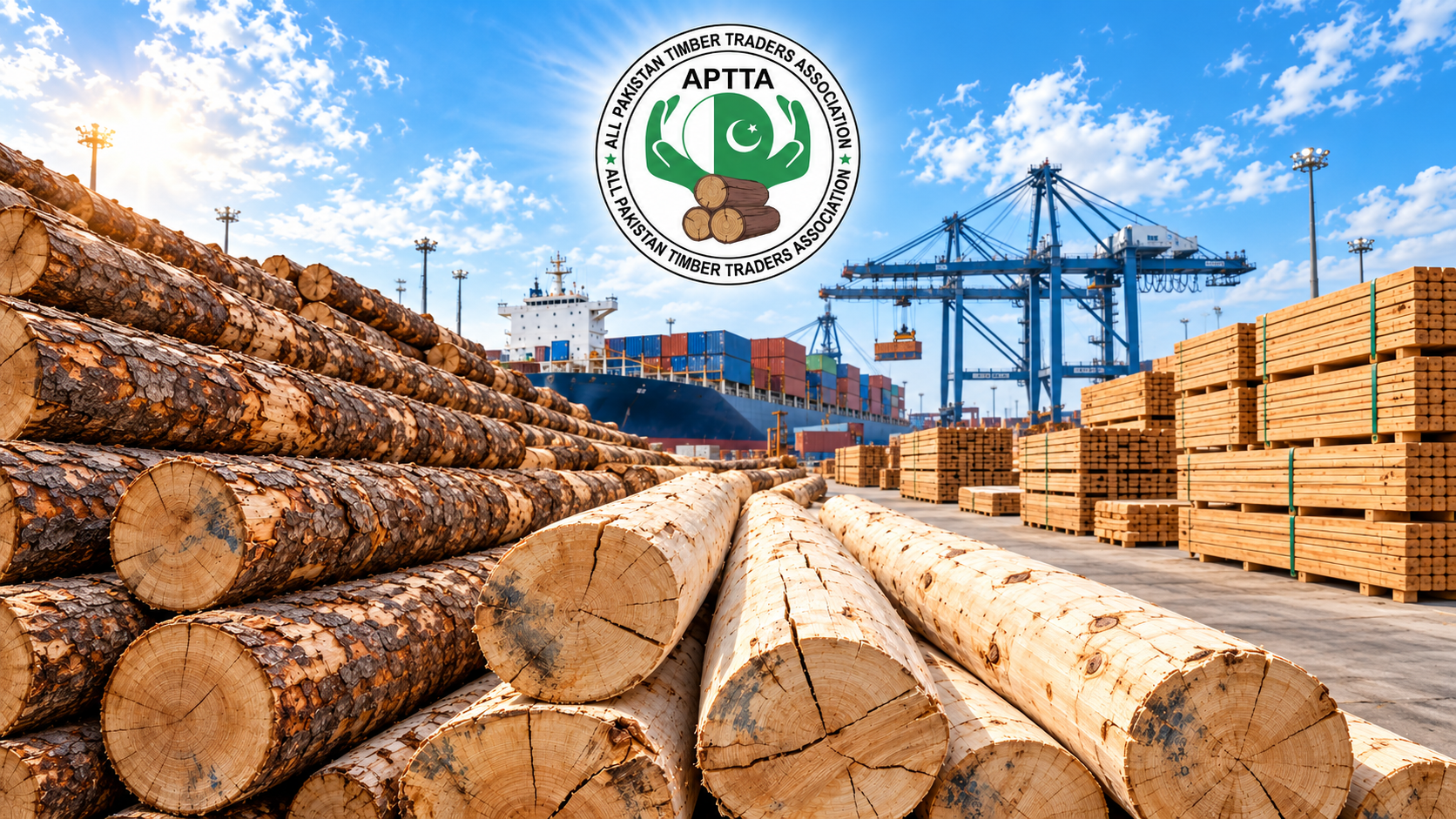
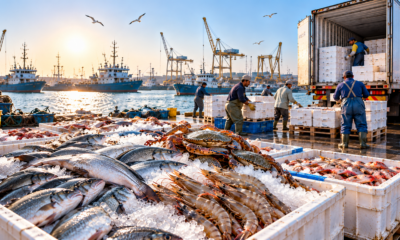
The All-Pakistan Timber Traders Association (APTTA) has urged the government to review wood import restrictions, warning that mandatory pre-shipment debarking can reduce timber quality and commercial value. In a letter to Federal Minister for National Food Security and Research Rana Tanveer Hussain, the association said mandatory fumigation and debarking issues have remained unresolved since the Import Policy Order 2022. APTTA stated that removing bark exposes logs to moisture loss, cracking, surface checking, blue stain and deeper discoloration during transportation and storage. It requested a reduction in Plant Protection Release Order (PPRO) charges from Rs1,000 to Rs55 per metric tonne and a complete exemption for sawn timber from additional PPRO requirements. The association said the sector supports approximately 1.1 million livelihoods and warned that higher regulatory costs could raise downstream production costs and affect businesses and employment.

Share on:
Continue Reading
Click to comment

Leave a Reply

Your email address will not be published. Required fields are marked *

Key Economic Indicators

Pakistan Highlights Stronger Economic Indicators
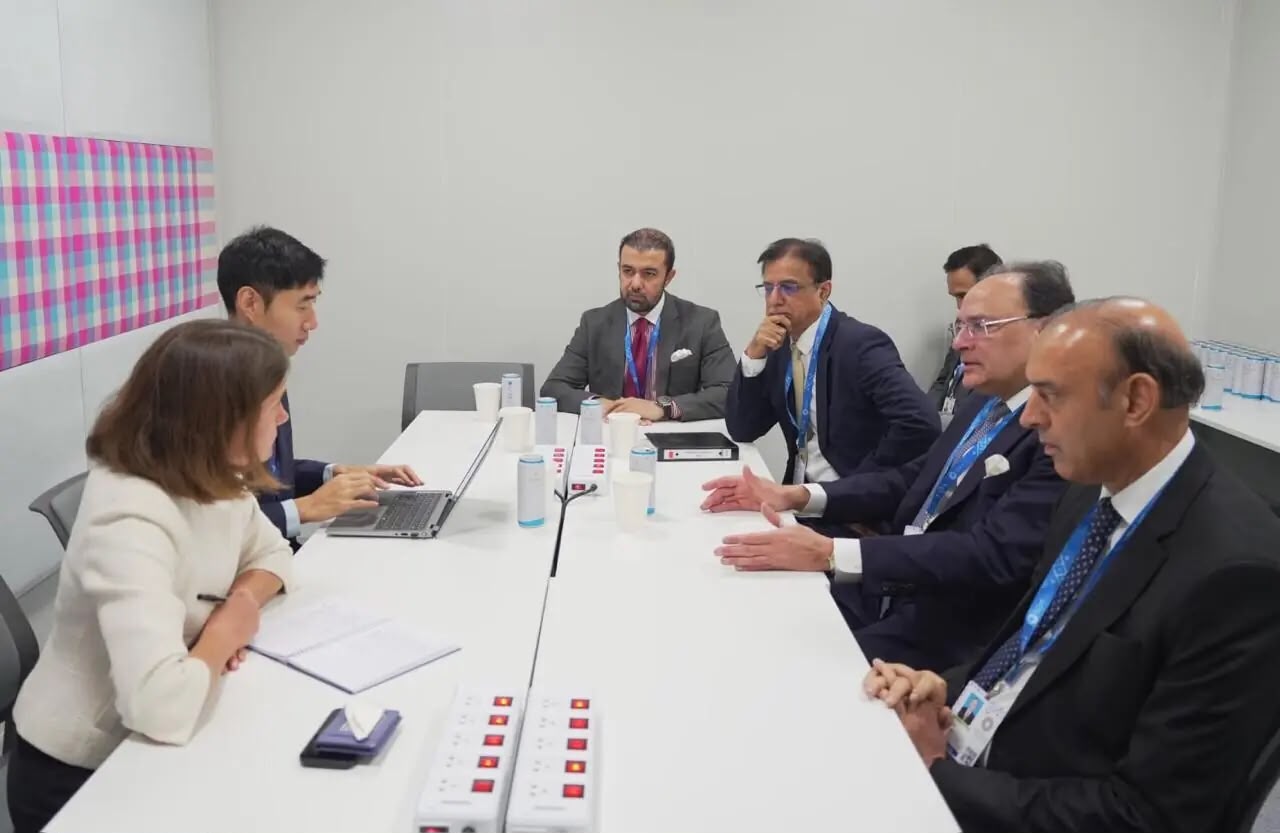
Finance Minister Muhammad Aurangzeb met Moody’s in Bangkok to discuss Pakistan’s economic outlook and prospects for a sovereign credit rating upgrade. He highlighted improved fiscal and external indicators, rising foreign exchange reserves, a contained current account deficit and lower State Bank forward liabilities. Aurangzeb also outlined plans to replace costly short-term debt with longer-maturity financing without increasing the external debt stock. He reaffirmed Pakistan’s commitment to structural reforms and export-led growth, and sought Moody’s views on achieving a stronger rating. Pakistan is rated ‘B’ by S&P Global Ratings and ‘B3’ by Moody’s, both with stable outlooks.

Share on:
Continue Reading

Key Economic Indicators

Pakistan Current Account May Slip into Deficit

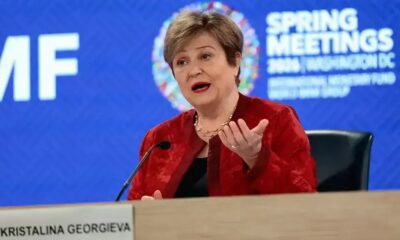
Pakistan’s inflation rate is projected to rise to 9.9% in 2027, while economic growth is expected to slow to 3.5%, according to the IMF’s latest World Economic Outlook. Inflation is forecast at 7.1% in 2026, up from 4.5% in 2025. GDP growth is projected to improve to 3.6% in 2026 from 3.2% in 2025, before easing next year. The current account is expected to remain around balance in 2026 and move to a deficit equal to 1% of GDP in 2027, after recording a 0.5% surplus in 2025. Unemployment is forecast to fall from 7.1% in 2025 to 6.9% in 2026 and 6.5% in 2027.

Share on:
Continue Reading

Key Economic Indicators

Pakistan Plans to Refinance Short-Term Debt

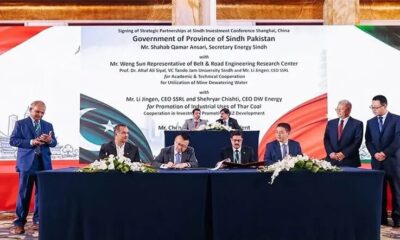
Finance Minister Muhammad Aurangzeb says Pakistan plans to refinance some short-term external debt into longer maturities over the next two to three years to reduce rollover risks. Speaking to foreign media, he said the country aims to keep its total external debt—estimated at close to $100 billion—broadly unchanged while diversifying financing and extending repayment periods. Aurangzeb added that Pakistan is “not in a rush” to issue bonds this fiscal year.

Share on:
Continue Reading

Trending