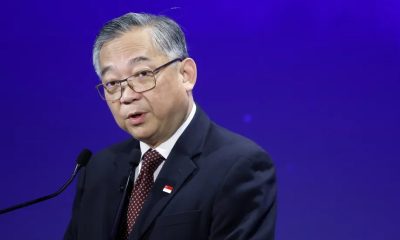
The International Monetary Fund has warned that the economic impact of the ongoing conflict in the Middle East will largely depend on how long the war continues and how severely it disrupts infrastructure, energy markets and trade routes. IMF First Deputy Managing Director Dan Katz said the situation remains uncertain and its consequences for the global economy could vary depending on whether energy price increases remain temporary or become prolonged. Speaking at an international finance conference in Washington, Katz explained that geopolitical tensions in a major energy producing region have the potential to influence inflation, economic growth and financial market stability around the world. However he noted that it is still too early to fully assess the scale of the economic consequences because the conflict continues to evolve and its effects on global supply chains and industries are still developing.
The IMF had previously projected global economic growth of around 3.3 percent for 2026 before the recent escalation of tensions in the region. That forecast was supported by continued investment in new technologies and stronger productivity expectations in several major economies. However the outbreak of conflict has introduced new uncertainties that could influence global economic conditions. Rising oil prices are among the most immediate concerns because energy costs affect transportation, manufacturing and consumer spending across many sectors of the global economy. If energy prices remain elevated for an extended period they could slow economic growth while increasing inflationary pressure in multiple countries.
Energy markets have already shown signs of volatility following the escalation of tensions in the region. Oil prices rose significantly as investors reacted to fears that disruptions in shipping routes and production facilities could limit supply. Brent crude prices climbed to around eighty three dollars per barrel which represented a sharp increase compared with previous levels. Analysts say that energy prices often respond quickly to geopolitical developments in major oil producing regions because traders anticipate potential supply interruptions. Countries that rely heavily on imported energy may face increased economic pressure if higher prices continue to persist in global markets.
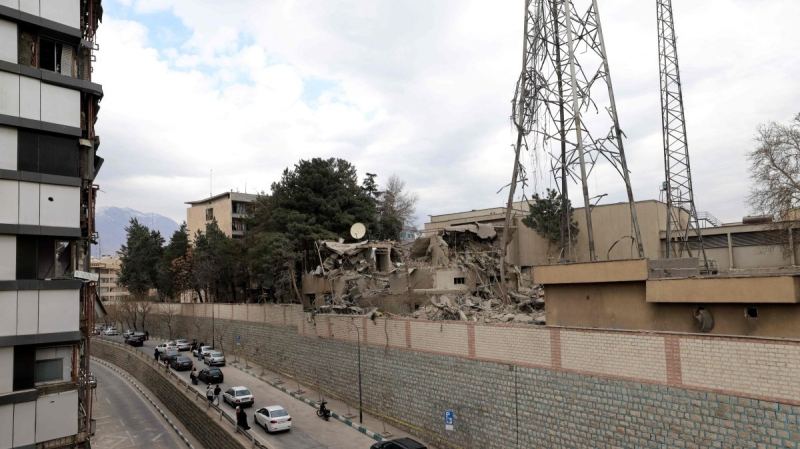
IMF officials also highlighted the potential impact of the conflict on industries such as tourism and aviation which are sensitive to regional instability and travel disruptions. Damage to infrastructure, industrial facilities or transport networks in affected areas could further slow economic activity in the region and influence international trade flows. Economists say that prolonged geopolitical uncertainty can reduce business confidence and delay investment decisions which may also affect global economic growth. Financial markets are already experiencing increased volatility as investors react to evolving geopolitical developments and reassess economic risks.
Central banks around the world are closely monitoring the situation because rising energy prices can influence inflation expectations and monetary policy decisions. Policymakers often focus on core inflation which excludes temporary fluctuations in energy costs. However if energy price increases persist and begin to influence broader price levels central banks may need to adjust their policy responses. IMF officials noted that lessons from previous global economic shocks including the pandemic and earlier geopolitical conflicts will be considered when evaluating how energy market changes affect inflation trends and economic stability in the months ahead.








 Artificial Intelligence4 months ago
 Football3 months ago
 Latest News7 months ago
 Latest News7 months ago
 Football3 months ago
 Latest News7 months ago
 Latest News7 months ago
 Latest News7 months ago