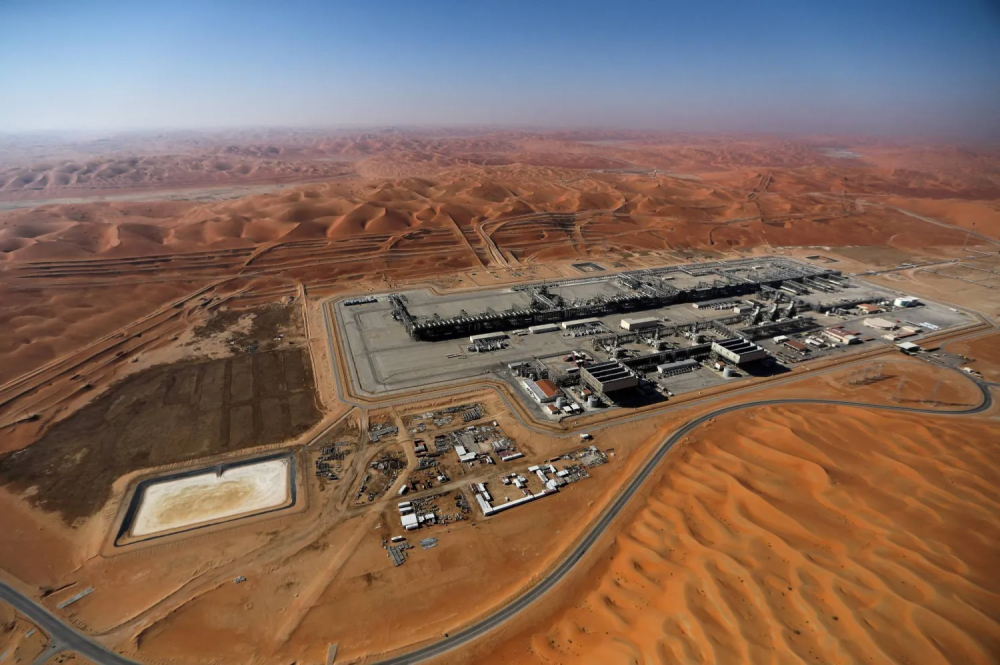
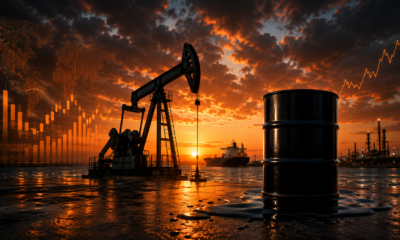
Saudi Arabia’s state energy giant Saudi Aramco has taken steps to stabilize global oil markets by offering additional crude cargoes through the spot market as geopolitical tensions raise concerns about supply disruptions in the Middle East. The move comes as energy traders and analysts closely monitor shipping conditions around the Strait of Hormuz, one of the world’s most critical energy transit routes. Market participants say the additional crude supply reflects Saudi Arabia’s traditional role as a key stabilizing force in global energy markets, particularly during periods of geopolitical uncertainty that can trigger sharp price volatility and investor anxiety.
Energy analysts say Saudi Aramco has reportedly made available more than four million barrels of crude oil through spot tenders, a relatively uncommon step aimed at addressing short-term supply concerns. The decision comes at a time when tensions involving Iran and regional security risks have increased pressure on energy logistics across the Gulf. While current oil prices have climbed above the $100 per barrel mark, analysts suggest the increase is largely driven by geopolitical risk premiums rather than immediate supply shortages. Markets are responding to fears that the conflict could disrupt future shipments rather than reacting to a sudden decline in available crude.
The Strait of Hormuz remains at the center of global energy security concerns as the waterway handles roughly one fifth of the world’s daily oil shipments. Even temporary disruptions to traffic through the strait could significantly affect global supply chains and push energy prices higher. Analysts warn that markets often react quickly to perceived risks involving major energy chokepoints, leading to speculative trading and price swings. Governments and energy companies are therefore closely watching developments in the region to ensure that supply routes remain open and operational.
Industry observers note that spot market sales have become particularly attractive during the current market environment. Buyers facing uncertainty over future supply conditions are often willing to pay higher prices for immediate deliveries, creating stronger demand for short-term cargoes. This dynamic has encouraged producers with available capacity to increase spot sales as a way to meet urgent demand while taking advantage of favorable pricing conditions. Analysts say the strategy also helps reassure markets that additional supply remains available if disruptions occur.
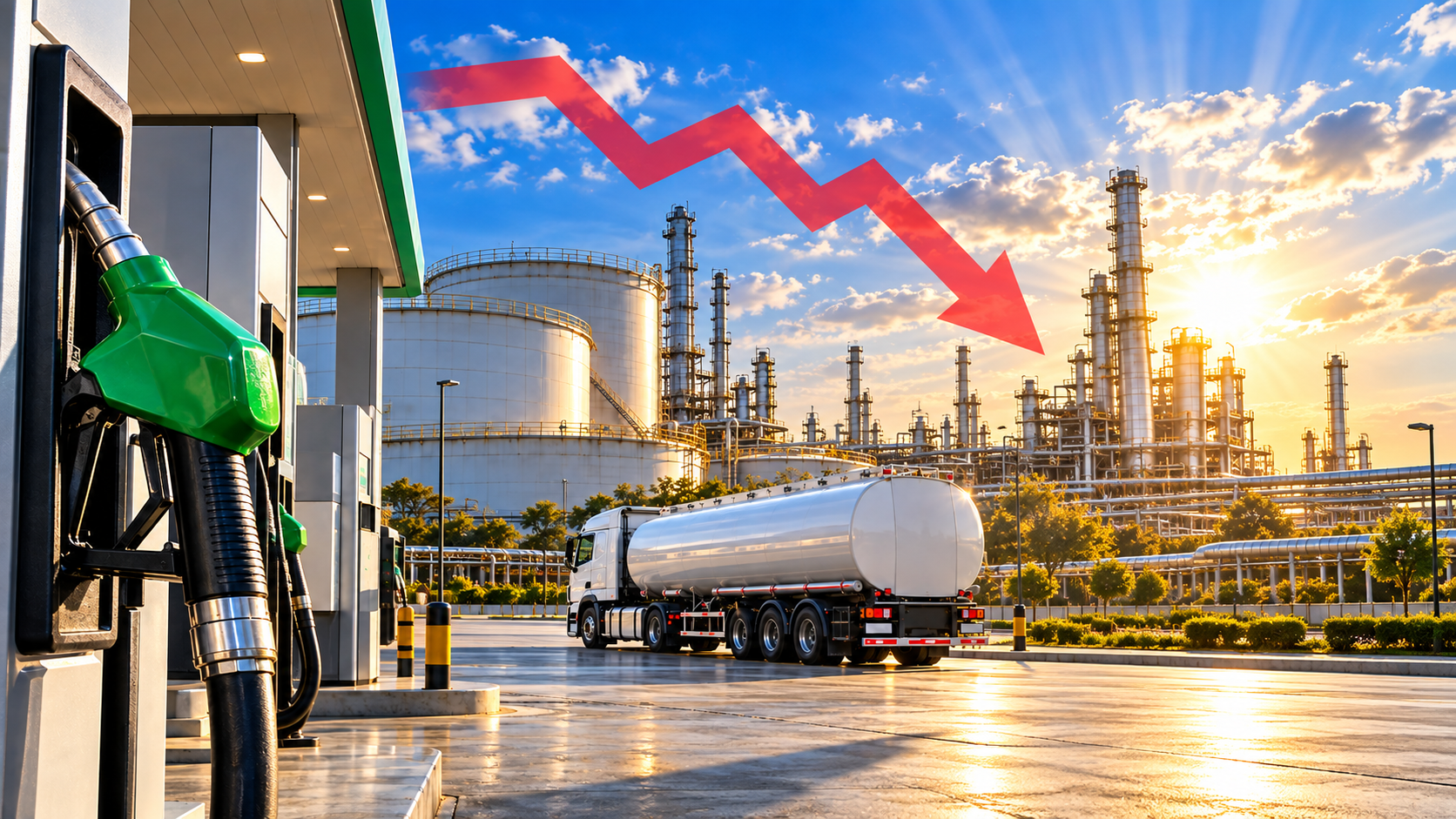
Higher oil prices can deliver short-term fiscal benefits for major exporting countries, particularly in the Gulf region where hydrocarbon revenues play a central role in national budgets. Increased export earnings may strengthen government finances and provide additional resources for economic development projects. However, economists caution that sustained high energy prices can also create broader economic risks by increasing inflationary pressures and slowing global economic growth. Over time, weaker economic activity could reduce demand for oil, potentially reversing price gains.
Saudi Arabia and other major energy producers have historically played an important role in managing supply stability during periods of market stress. By adjusting production levels or offering additional cargoes to the market, large producers can help moderate price volatility and reassure global buyers. Analysts say these actions demonstrate the flexibility of major producers in responding to changing market conditions while maintaining long-term supply reliability for global consumers.
As geopolitical tensions continue to influence global energy markets, the balance between supply stability and regional security risks remains a key factor shaping oil prices. Saudi Aramco’s decision to release additional crude into the spot market highlights the importance of coordinated supply management in maintaining global energy stability. Market participants will continue monitoring developments in the region closely as governments, producers and traders navigate an increasingly uncertain energy landscape.














 Artificial Intelligence4 months ago

 Football3 months ago

 Latest News7 months ago

 Latest News7 months ago

 Football3 months ago

 Latest News7 months ago
 Latest News7 months ago
 Latest News7 months ago