Airports around the world are undergoing a major transformation as artificial intelligence and digital technologies reshape how passengers move through terminals. The concept of the smart airport is rapidly becoming a reality, with airports integrating advanced data systems, automation, and AI-powered services to improve efficiency, security, and traveler convenience. As global air travel continues to expand, airport operators are turning to technology-driven solutions to handle growing passenger volumes while enhancing the overall travel experience. In 2026, smart airport infrastructure is emerging as a key component of modern aviation systems.
Artificial intelligence is playing a central role in improving airport operations and passenger services. AI-powered systems are being used to analyze passenger flows, predict congestion points, and optimize airport resources in real time. By processing large amounts of data from ticketing systems, security checkpoints, and boarding gates, AI can help airport operators manage queues and reduce delays. These predictive systems allow staff to allocate resources more efficiently, improving both operational performance and passenger satisfaction.
One of the most visible changes in smart airports is the growing use of biometric identification technologies. Facial recognition and biometric verification systems are being deployed to streamline passenger identification at various stages of the travel process, including check-in, security screening, and boarding. These systems allow travelers to move through airport checkpoints more quickly while maintaining high security standards. By reducing the need for repeated document checks, biometric technologies help create a smoother and faster airport journey.
Automation is also transforming many traditional airport services. Self-service kiosks, automated baggage drop systems, and digital boarding gates are becoming standard features in modern terminals. These technologies allow passengers to complete routine procedures independently, reducing waiting times and easing the workload on airport staff. Mobile applications and digital platforms further enhance the passenger experience by providing real-time updates on flight schedules, gate changes, and baggage tracking.
AI technology is also improving airport security and safety operations. Advanced surveillance systems equipped with machine learning algorithms can monitor large areas of airport infrastructure and detect unusual behavior patterns in real time. These systems support security personnel by identifying potential risks more quickly and accurately. Additionally, predictive maintenance systems powered by AI help airport operators monitor critical infrastructure such as runways, lighting systems, and ground equipment, reducing the likelihood of operational disruptions.
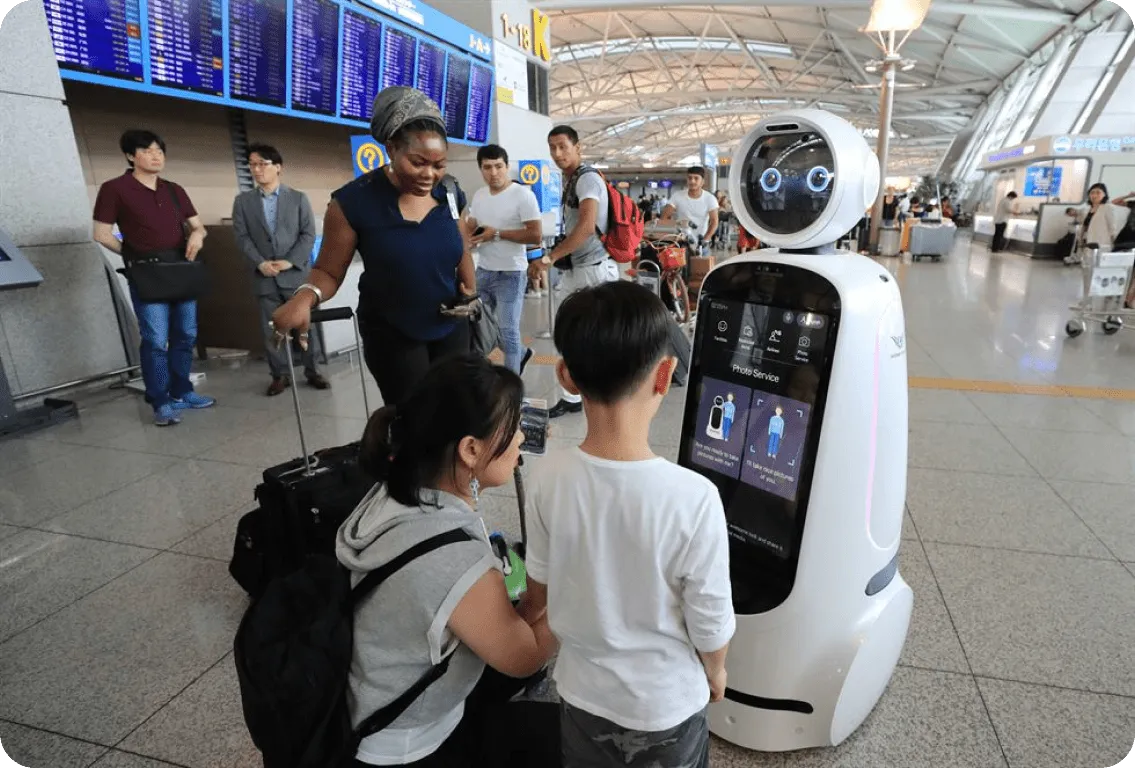
Smart airport technology is not limited to operational efficiency; it is also transforming the commercial and customer service aspects of airports. Retailers, restaurants, and airport service providers are increasingly using data analytics and AI-driven insights to personalize services for travelers. Digital assistants, smart information kiosks, and AI chatbots can provide passengers with guidance on airport navigation, shopping options, and travel services. These innovations help create a more connected and convenient airport environment.
As technology continues to evolve, smart airports are expected to become even more advanced in the coming years. Integration of AI systems with broader transportation networks, including rail and urban mobility systems, could further streamline the passenger journey from home to destination. By combining digital infrastructure with intelligent automation, airports are redefining the travel experience and setting new standards for efficiency, security, and passenger comfort in global aviation.








 Artificial Intelligence4 months ago
 Football3 months ago
 Latest News7 months ago
 Latest News7 months ago
 Football3 months ago
 Latest News7 months ago
 Latest News7 months ago
 Latest News7 months ago