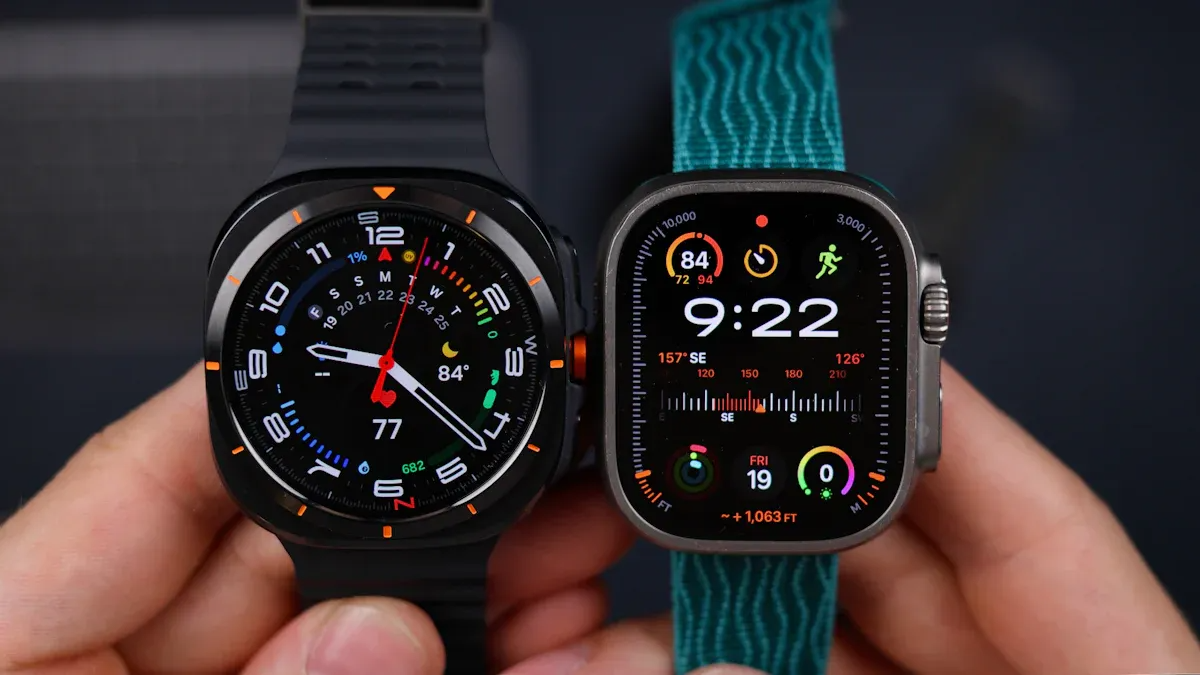
The global smartwatch industry is entering a new phase of competition as leading technology companies and luxury brands introduce premium designs aimed at attracting style-conscious consumers and health-focused users. Over the past decade, smartwatches have evolved from simple notification devices into powerful wearable technologies capable of monitoring health metrics, tracking fitness activities, and supporting everyday digital tasks. In 2026, the market is witnessing rapid innovation as manufacturers compete to deliver devices that combine advanced technology with high-end design and improved functionality. As consumer expectations continue to rise, smartwatch makers are focusing on aesthetics, durability, and performance to differentiate their products in an increasingly crowded market.
One of the most noticeable trends in the smartwatch industry is the shift toward more refined and premium design elements. Early smartwatches often prioritized functionality over appearance, but today’s models are designed to resemble traditional luxury watches while maintaining advanced digital capabilities. Manufacturers are introducing sleek metal finishes, sapphire glass displays, and customizable straps made from leather, stainless steel, and advanced synthetic materials. These design upgrades aim to appeal to consumers who want wearable technology that complements both casual and formal styles, making smartwatches suitable for everyday use as well as professional environments.
Health and fitness features remain a major driver of smartwatch adoption. Modern devices are equipped with advanced sensors capable of monitoring heart rate, blood oxygen levels, sleep quality, and physical activity throughout the day. Some premium models now offer more detailed health insights, including stress monitoring and advanced fitness tracking tools. These capabilities allow users to gain deeper insights into their overall health and lifestyle habits. As interest in preventive health continues to grow, wearable devices are becoming essential tools for individuals seeking to track and improve their well-being.
Battery performance and display technology are also becoming key areas of competition among smartwatch manufacturers. Consumers increasingly expect devices that can operate for extended periods without frequent charging while maintaining bright, high-resolution displays. Companies are responding by developing more energy-efficient processors and improved battery technologies that extend usage time. Enhanced display technologies are also being introduced to improve visibility in different lighting conditions while maintaining low power consumption. These improvements help make smartwatches more practical for daily use and long-term wear.
Another important factor influencing the smartwatch market is the integration of devices with broader digital ecosystems. Smartwatches now connect seamlessly with smartphones, home automation systems, and fitness applications, creating a more interconnected user experience. Users can receive calls, respond to messages, control music, and manage various digital services directly from their wrist. This level of integration has turned smartwatches into multifunctional devices that serve as convenient extensions of personal digital environments.
Luxury watch brands are also entering the smartwatch segment, bringing traditional craftsmanship into the world of wearable technology. By combining classic watch aesthetics with modern digital features, these brands aim to appeal to consumers who appreciate both heritage design and technological innovation. The collaboration between technology firms and luxury watchmakers is creating a new category of hybrid devices that blend mechanical watch styling with advanced digital capabilities.
As competition continues to intensify, the smartwatch market is expected to see further innovation in both design and functionality. Manufacturers are investing heavily in research and development to introduce new features that enhance user experience while maintaining stylish, durable designs. With growing consumer demand for wearable technology that balances performance, health tracking, and aesthetics, premium smartwatches are likely to remain a key focus in the evolving global wearable technology market.







 Artificial Intelligence4 months ago
 Football3 months ago
 Latest News7 months ago
 Latest News7 months ago
 Football3 months ago
 Latest News7 months ago
 Latest News7 months ago
 Latest News7 months ago