
Property Trends
Gohar Group Chairman Elected ABAD Chief
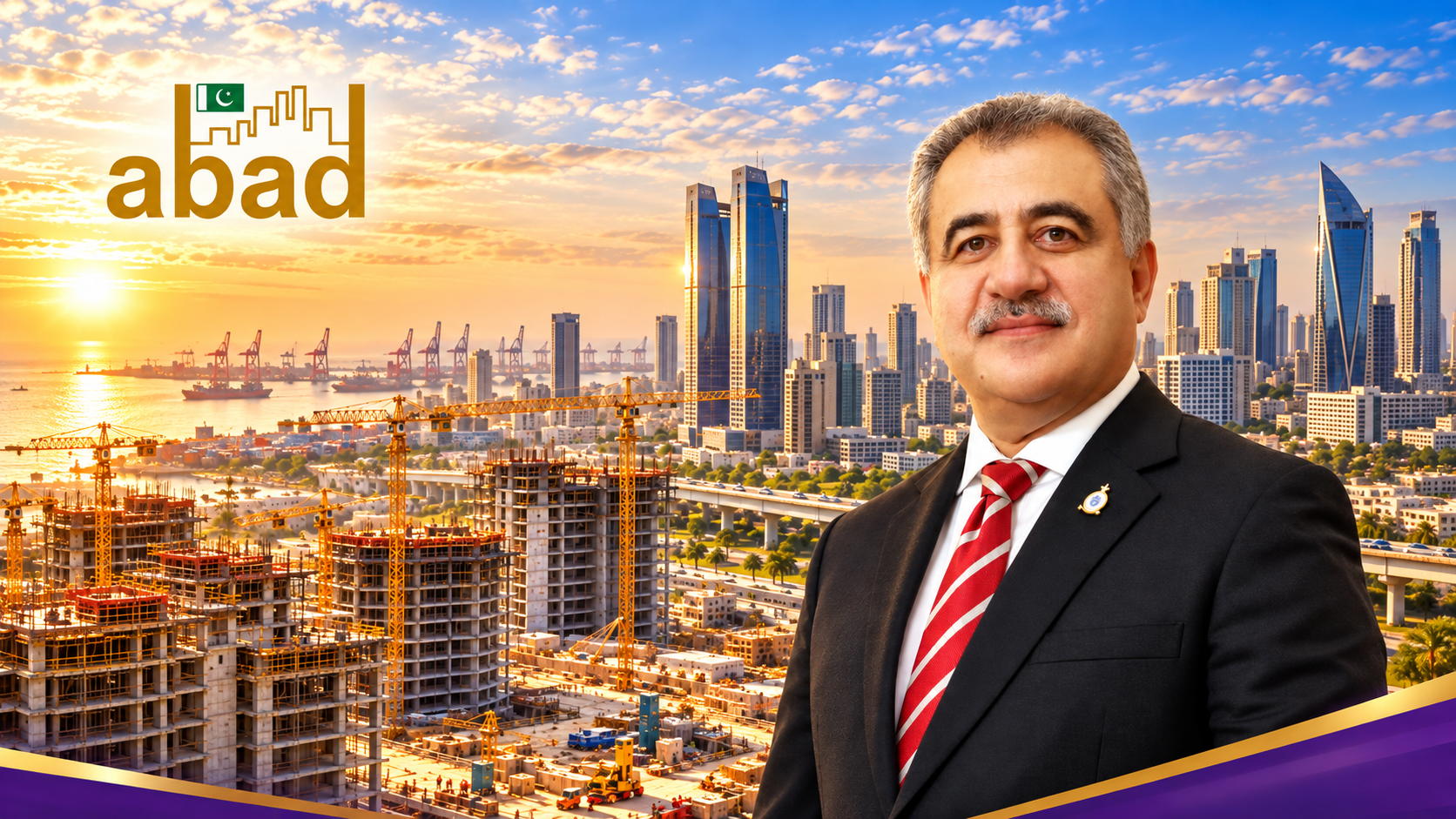
Mohammad Hanif Gohar has been elected unopposed as chairman of the Association of Builders and Developers of Pakistan (ABAD), according to the information provided. Gohar, chairman of Gohar Group of Companies, previously led ABAD in 2015–16. He has also served as senior vice president of the Federation of Pakistan Chambers of Commerce and Industry (FPCCI). His experience spans construction, property development and business representation. Gohar has also been involved in Air Karachi, an airline venture backed by members of Karachi’s business community. His reported return to ABAD’s leadership brings an experienced industry representative back to the association’s top position.









Property Trends
Karachi Gets Town-Wise SBCA Setup
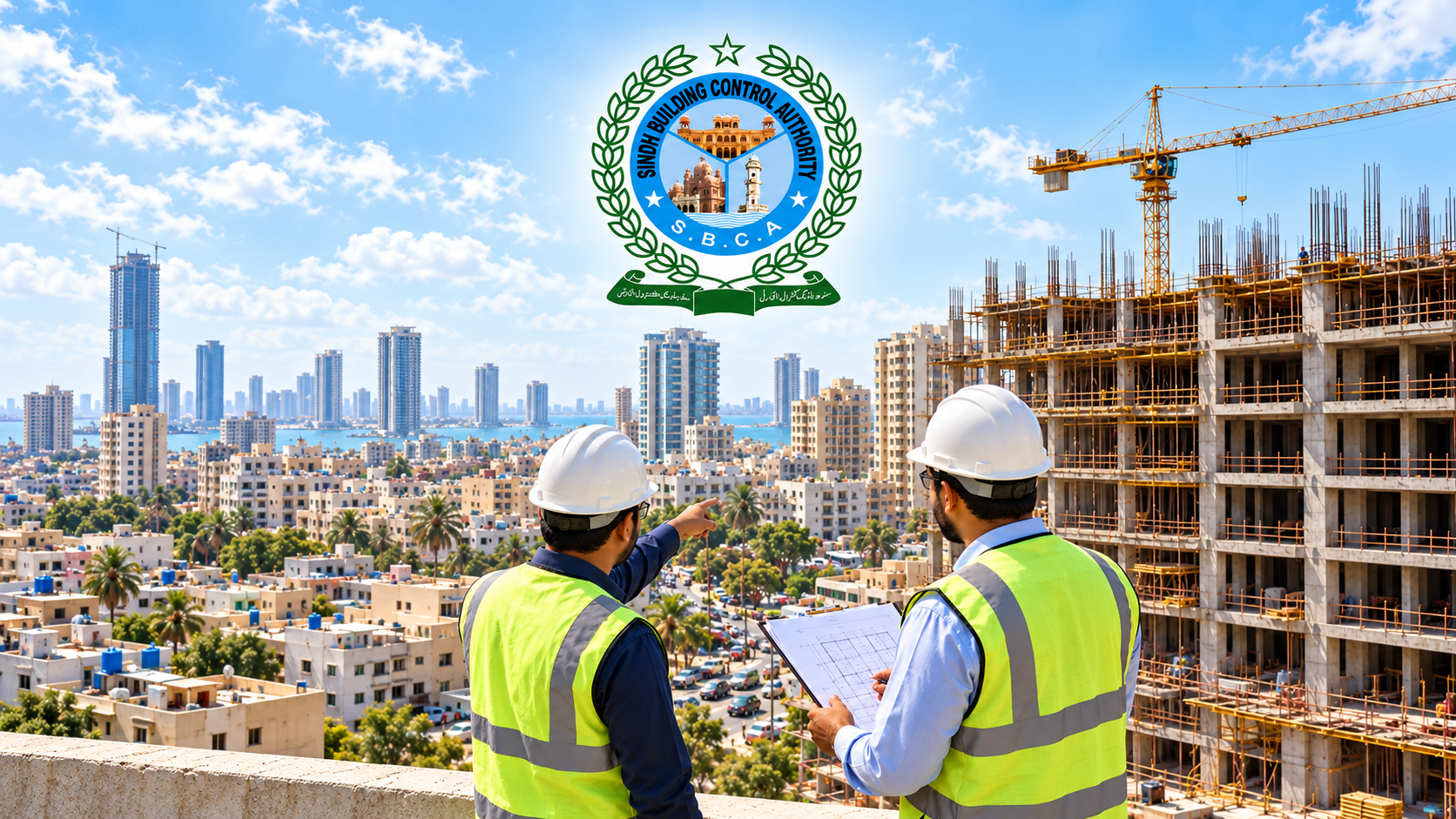
The Sindh Building Control Authority has introduced a town-wise administrative system in Karachi, transferring and assigning directors, deputy directors, assistant directors, senior building inspectors and building inspectors to local areas. The 23 towns covered are Baldia, Chanesar, Gadap, Mominabad, Mauripur, Nazimabad, North Karachi, North Nazimabad, Orangi, Saddar, Safoora, Shah Faisal, Sohrab Goth, Gulberg, Gulshan-e-Iqbal, Ibrahim Hyderi, Jinnah, Korangi, Landhi, Liaquatabad, Lyari, Malir and Model Colony. The SBCA says the changes aim to strengthen building control, curb illegal construction, improve administrative efficiency and increase transparency in town-level operations.
Latest News
Islamabad Property Valuations Jump Up to 75 Percent After FBR Revises ICT Rates
Property valuations across Islamabad Capital Territory have witnessed significant adjustments after the Federal Board of Revenue issued a new notification revising the official valuation tables for residential and commercial properties. The revised framework increases property values in several areas of the federal capital by as much as seventy five percent while excluding Defence Housing Authority zones from the new valuation structure. The revision is part of broader efforts by tax authorities to align official property values more closely with prevailing market rates. Real estate stakeholders believe the changes could influence transaction activity, taxation levels, and overall investor sentiment in Islamabad’s property market over the coming months.
Revised Valuation Tables Introduced Through New Notification
The updated property values were introduced through SRO.163(I)/2026, replacing the earlier valuation tables that had been issued under SRO.2392(I)/2025. Tax authorities stated that the new values were determined after consultations with real estate professionals operating within Islamabad Capital Territory.
Officials explained that the revised framework aims to establish fair market values for both residential and commercial properties within different sectors of the capital. Under the updated guidelines, the valuation of built structures will be calculated based on the age of the building. Superstructures that are less than five years old will carry a valuation of approximately Rs3,000 per square foot, while older structures will be assessed at around Rs1,500 per square foot.
The updated valuation tables apply across several urban areas of Islamabad, although Defence Housing Authority has been excluded from the new notification. Authorities have not publicly disclosed the reasons behind this exemption, though market observers note that DHA properties often operate under separate valuation considerations.
Property Rates Rise Across Multiple Areas of Islamabad
The revised valuation system results in price increases ranging from approximately fifteen percent to seventy five percent across different localities in the federal capital. Property analysts say the adjustment reflects the government’s attempt to narrow the gap between official valuation benchmarks and actual market transaction prices.
In previous years, the disparity between official tax valuation rates and real market prices often created challenges for both buyers and tax authorities. Lower official valuations sometimes encouraged underreporting of property transaction values, which reduced potential tax revenues.
By updating the valuation tables, policymakers aim to bring property taxation more in line with real market conditions while improving transparency in property transactions.
Stakeholder Feedback Influenced Final Decision
Earlier attempts to significantly increase Islamabad property valuations had triggered strong reactions from real estate agents and property investors. Following industry feedback, the government temporarily suspended the previous notification to reassess the valuation framework.
The revised notification reflects a moderated approach that still raises official property values but adjusts some of the proposed increases introduced under the earlier policy. Real estate professionals say the consultation process helped reduce the potential shock to the market while still allowing authorities to modernize the valuation structure.
Market participants believe the revised policy represents a compromise between revenue objectives and the concerns of property investors operating in Islamabad’s real estate sector.
Rural Property Valuation to Follow Local Administration Rates
In addition to urban property valuations, the updated notification also outlines the mechanism for assessing property values in rural areas of Islamabad Capital Territory. According to the revised framework, valuation rates for rural properties will be determined by the local district administration.
Authorities stated that if a conflict arises between the values set by the tax authority and those determined by the district administration, the higher valuation will apply. This measure is intended to ensure consistency in property tax assessments across both urban and rural regions within the federal capital.
Market Impact on Property Transactions
Real estate experts say the revised valuation tables could influence property market behavior in several ways. Higher official property values may increase transaction taxes and documentation costs for buyers and sellers, potentially affecting short term market activity.
However, aligning official valuations more closely with real market prices could also improve transparency and strengthen confidence among institutional investors interested in Islamabad’s property market.
Analysts note that clearer valuation benchmarks can help reduce speculative practices while improving the reliability of property transaction records.
Outlook for Islamabad’s Property Market
The revision of property valuation tables marks an important policy adjustment for Islamabad’s real estate market. As the new valuation framework becomes fully implemented, property investors and developers will closely monitor its impact on transaction volumes and market pricing.
While the short term effect may include adjustments in transaction patterns, the updated valuation system could ultimately contribute to greater transparency and stronger regulatory oversight within the property sector.
Latest News
Karachi Property Prices Rise but Gold and Stocks Outperform Real Estate Returns

Karachi’s real estate market has recorded noticeable price growth over the past two years, particularly in prime residential and commercial areas such as DHA and Clifton. Despite this upward movement, property investments have been overshadowed by stronger gains in alternative asset classes including gold and equities. Investors seeking higher returns have increasingly turned toward bullion and the stock market as global economic uncertainty and domestic financial conditions reshaped investment strategies. While property prices in several upscale neighborhoods have increased substantially, analysts say the pace of appreciation remains slower than the dramatic rise seen in gold prices and the Pakistan Stock Exchange over the same period.
Residential and Commercial Property Values Continue to Climb
Property agents operating in Karachi’s premium residential districts report significant increases in plot and apartment prices over the last two years. Residential plots in DHA and Clifton have recorded price increases ranging between 25 percent and 50 percent depending on location, block, and infrastructure development. Commercial plots in the same areas have seen even stronger appreciation, with some properties rising by as much as 75 percent as investors targeted commercial real estate opportunities in established urban corridors.
Apartment prices have also moved upward as demand for smaller residential units grows in Karachi’s dense urban environment. In several Clifton neighborhoods such as Bath Island and Civil Lines, the price of a three bedroom apartment that previously ranged between Rs55 million and Rs60 million has now reached approximately Rs75 million to Rs80 million in many projects. Similar price increases have been recorded in DHA, where apartments measuring around 1,500 square feet have experienced steady appreciation due to rising construction costs and limited new supply.
Property agents say rental demand has remained relatively stable, with annual rental yields typically averaging between three and four percent in many residential areas. Smaller units often generate slightly higher rental returns due to limited availability and growing demand among tenants.
Rising Construction Costs Push Bungalow Prices Higher
The upward trend in property prices has also been visible in Karachi’s bungalow market, particularly in larger residential plots located within DHA phases and other established neighborhoods. Developers and homeowners have increasingly begun constructing ground plus one bungalow designs that incorporate modern amenities such as basement swimming pools and larger living spaces.
In the case of 500 square yard bungalows, prices have risen considerably over the last two years. Properties that previously sold between Rs80 million and Rs160 million now command prices ranging from Rs100 million to Rs250 million depending on location and architectural features. Similarly, larger 1,000 square yard houses have experienced noticeable appreciation, with prices reaching as high as Rs450 million in some areas compared with previous levels between Rs110 million and Rs350 million.
Real estate brokers note that demand for high end residential properties remains supported by wealthy buyers and overseas Pakistanis who view property as a long term asset. However, rising construction costs for materials such as cement, steel, and finishing products have also contributed to the increase in property prices across several segments of the housing market.
Commercial Property Markets Show Strong Investor Activity
Commercial property markets in Karachi have also experienced price increases, particularly in areas where business activity and commercial development remain strong. Locations such as PECHS and Sharea Faisal have seen commercial plot prices rise significantly as investors look for opportunities in established commercial corridors.
Commercial plots in PECHS and parts of Sharea Faisal have reached prices between Rs1.5 million and Rs2 million per square yard, compared with earlier levels closer to Rs1 million per square yard two years ago. In other parts of the same corridor, prices now range from approximately Rs1 million to Rs1.5 million per square yard depending on location and property size.
Additional increases have also been observed along Shaheed e Millat Road where commercial plot prices have climbed to around Rs1.5 million per square yard from previous levels between Rs800,000 and Rs1 million. However, some traditional commercial zones such as I I Chundrigar Road have experienced slower growth as investor interest has shifted toward newer commercial locations offering larger plots and redevelopment potential.
Market participants say commercial property remains attractive for investors seeking long term rental income and capital appreciation, although entry costs in prime locations have increased substantially in recent years.
Industrial Investment Shifts Toward Emerging Locations
While residential and commercial property markets in Karachi have experienced moderate growth, industrial investment activity within the city has remained relatively limited. Industry observers note that few major new industrial developments have taken place within Karachi over the past several decades as businesses increasingly explore alternative locations outside the city.
Investors have gradually shifted interest toward nearby industrial zones such as Nooriabad and Jhampir where land prices remain comparatively lower and development opportunities are still available. These emerging industrial hubs offer larger land parcels and improved access to transportation infrastructure connecting Karachi with other parts of Sindh.
Concerns about land disputes and regulatory complications have also affected investor confidence in certain areas surrounding Karachi. Property experts estimate that a large portion of land along sections of the Super Highway remains legally complex or contested, which has discouraged large scale industrial investment in those locations.
Outlook for Karachi’s Real Estate Market
Although property values in Karachi have risen across several residential and commercial segments, the market continues to compete with alternative investment options offering stronger returns. Gold and stock market investments have delivered exceptional gains during the past two years, attracting investors who previously relied on real estate as a primary store of wealth.
Nevertheless, Karachi’s property market remains a significant component of Pakistan’s investment landscape. As infrastructure development continues and new projects emerge, real estate may regain stronger momentum if economic stability and investor confidence improve in the coming years.

Trending

 Artificial Intelligence4 months ago
South Korea Unveils $880 Billion AI and c Investment Plan

 Football3 months ago
Better Future Pakistan | Match -1 | Norway

 Latest News7 months ago
Crypto Liquidity and Capital Flows: Could Rising USDT Activity Influence Pakistan’s Equity Markets

 Latest News7 months ago
Etihad Town Phase I Introduces Overseas Block with Residential and Commercial Plot Opportunities in Lahore

 Football3 months ago
Better Future Pakistan | LIVE Match | Norway

 Latest News7 months ago
From Catalog Clicks to Conversational AI: How Moeed Sheikh Is Building Revenue Driven Digital Experiences
 Latest News7 months ago
Punjab Introduces Mandatory Underground Infrastructure Rules for New Housing Societies in Lahore
 Latest News7 months ago
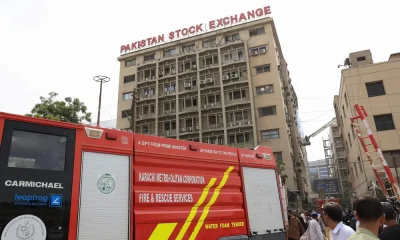
PSX Bloodbath as KSE100 Plunges Over 13,000 Points After Trading Resumes