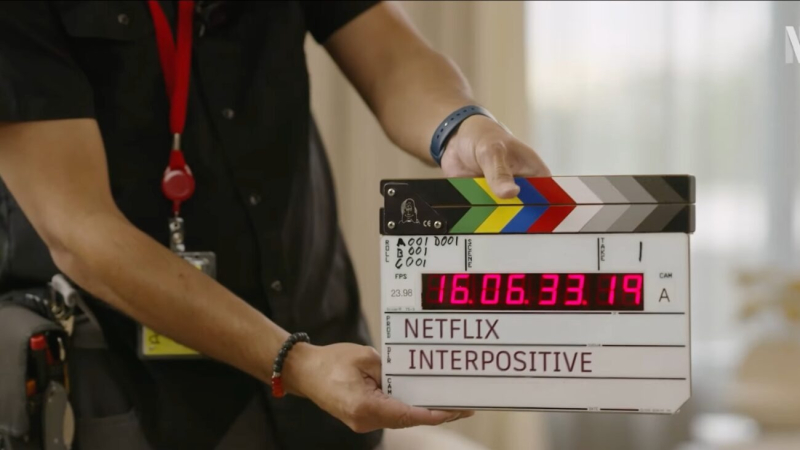
Netflix has acquired InterPositive, an artificial intelligence filmmaking technology company founded by actor and filmmaker Ben Affleck, marking a significant move in the streaming giant’s strategy to integrate AI tools into film production workflows. The acquisition includes the entire InterPositive team of engineers, researchers, and creative specialists, with Affleck joining Netflix as a senior advisor.
The deal arrives shortly after Netflix abandoned plans to pursue a massive media acquisition involving Warner Bros. Discovery, a transaction that could have reshaped the global entertainment industry. Instead of pursuing a multibillion dollar merger, Netflix opted for a targeted technology acquisition focused on innovation in filmmaking.
Although financial terms of the deal were not disclosed, the acquisition signals Netflix’s growing commitment to artificial intelligence tools that improve production efficiency without replacing creative professionals. The InterPositive team will now work directly with Netflix’s content and technology divisions to develop new production capabilities for filmmakers.
InterPositive Builds AI Tools Designed for Real Film Production
InterPositive was founded in 2022 and operated quietly until the Netflix announcement revealed its existence to the broader industry. Unlike many generative AI companies focused on creating synthetic video content, the company developed tools designed to assist filmmakers directly during the production and post production process.
The technology developed by InterPositive is built around the concept of training AI models using a film’s own production footage rather than relying on public internet data. By analyzing footage captured during filming, the system learns the visual language of a specific project including lighting styles, camera lenses, and shot composition.
Once trained, the AI model can assist filmmakers in solving practical production problems during post production. These tasks can include removing stunt wires from action scenes, adjusting lighting conditions, correcting framing errors, or enhancing backgrounds without requiring extensive visual effects work.
By focusing on production workflows rather than synthetic content generation, InterPositive positions its technology as a support tool for filmmakers rather than a replacement for creative talent. This distinction has become increasingly important within Hollywood, where debates about generative AI and its impact on actors, writers, and directors remain highly sensitive.
Technology Trained on Custom Production Data
To develop its AI system, the InterPositive team created a specialized dataset filmed on a controlled soundstage. The dataset was designed to replicate the conditions encountered during real film production, allowing the AI system to understand the technical challenges filmmakers regularly face on set.
The dataset included footage captured under different lighting environments, camera configurations, and production scenarios. By exposing the system to realistic filming conditions, developers trained the AI model to recognize the techniques used by cinematographers and directors when constructing visual scenes.
The system was also trained to identify common production challenges such as continuity issues, missing shots, or lighting inconsistencies between scenes. These problems often require expensive visual effects solutions during post production.
By automating parts of this process, the technology could potentially reduce production costs while improving the speed of post production workflows. The system allows filmmakers to make adjustments that previously required complex visual effects pipelines or reshooting scenes.
Another important aspect of the technology is the deliberate limitation built into the system’s architecture. The models are designed to focus on technical filmmaking tasks rather than altering or synthesizing human performances. This design decision reflects growing concerns within the entertainment industry about AI generated actors and digital performance manipulation.
Netflix Expands AI Investment in Film Production Technology
The acquisition of InterPositive fits within a broader strategy by Netflix to develop AI driven tools that enhance film production. Over the past several years, the company has invested in technologies designed to improve visual effects workflows, reduce production costs, and accelerate post production timelines.
Netflix research teams have previously experimented with AI based tools capable of adjusting lighting conditions in filmed scenes and improving visual effects efficiency. These technologies aim to streamline production pipelines while maintaining creative control for filmmakers.
The company has emphasized that AI tools are intended to support creators rather than replace them. By focusing on production workflows rather than generative storytelling, Netflix hopes to introduce AI technology without triggering concerns among creative professionals about job displacement.
The entertainment industry is increasingly exploring how artificial intelligence can be integrated into film production. Studios are experimenting with AI tools for editing, visual effects, script analysis, and content discovery.
For Netflix, investing in AI production tools may also provide a competitive advantage in the streaming industry. Faster and more efficient production workflows could help the company create high quality content while managing production budgets more effectively.
AI Technology Begins Reshaping Media Production
Artificial intelligence is gradually transforming many aspects of the film and television production process. AI powered tools are already being used for tasks such as color grading, video editing assistance, and automated visual effects adjustments.
As machine learning models improve, filmmakers may gain access to new tools that simplify complex production tasks and expand creative possibilities. However industry leaders continue to emphasize the importance of maintaining human control over creative decisions.
The acquisition of InterPositive illustrates how entertainment companies are exploring responsible ways to integrate AI technology while preserving artistic integrity.
Outlook
Netflix’s acquisition of InterPositive signals a growing shift toward AI assisted production tools within the entertainment industry. By focusing on technologies that support filmmakers rather than replace them, the company aims to combine creative storytelling with advanced production innovation.








 Artificial Intelligence4 months ago
 Football3 months ago
 Latest News7 months ago
 Latest News7 months ago
 Football3 months ago
 Latest News7 months ago
 Latest News7 months ago
 Latest News7 months ago